EU Development Aid Doesn’t Disappear Without Accountability


The debate surrounding EU development aid often follows the same pattern: money “disappears” and millions are “wasted.” Yet the finger is almost always pointed in only one direction.
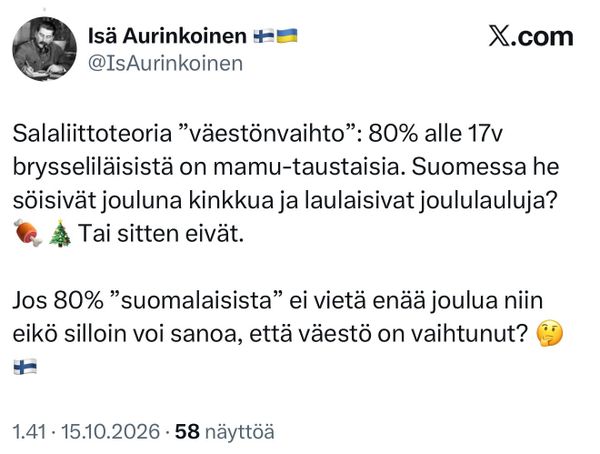
Recently, Member of the European Parliament Sebastian Tynkkynen wrote on Instagram:
“Isn’t it time to admit that most development aid is wasted and that these investments fail to deliver value for money?”
However, Tynkkynen did not address the European Union’s own responsibility for allocating these funds or overseeing how they are used. Instead, he implied that the responsibility lies solely with the recipient country, Ghana.
This is a serious matter because these are EU funds, financed through contributions from Member States and other EU own resources. Development aid is not paid out of Sebastian Tynkkynen’s own pocket. That is precisely why it is irresponsible not to ask the obvious questions: Who approved the funding? Who was responsible for monitoring its use? And who signed off on the decision?
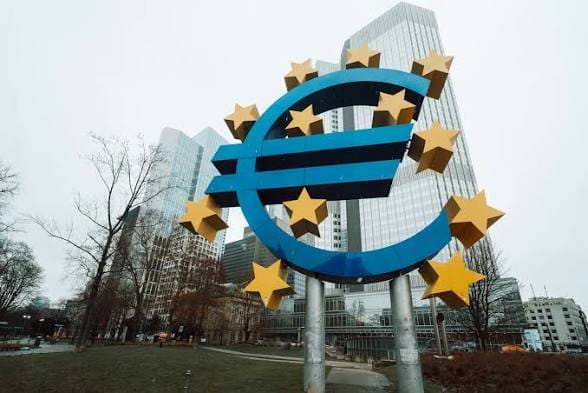
EU Funding Is Subject to Strict Rules
EU funding does not appear out of thin air, nor is it granted at random. Funding decisions are not based on the whim of a single official. Every project goes through preparation, an application process, evaluation, decision-making, contractual arrangements, and payment procedures.
Numerous experts and public officials are involved throughout the process, and funding decisions are based on predefined criteria.
In other words, money is not disbursed without decisions, and decisions are not made without people who bear responsibility.
So Who Bears the Responsibility?
If millions of euros disappear, funds are misused, or projects are not properly monitored, the problem is not limited to the person committing the fraud. The problem also lies in a system that continued to provide funding without adequate oversight.
Because the European Union has detailed procedures governing both the allocation and supervision of funding, cases of misuse inevitably raise an important question: Was the oversight sufficient, and did the accountability mechanisms function as intended?
When oversight fails, responsibility does not simply disappear. It ultimately returns to the European Commission’s desk.
-Sanni M.