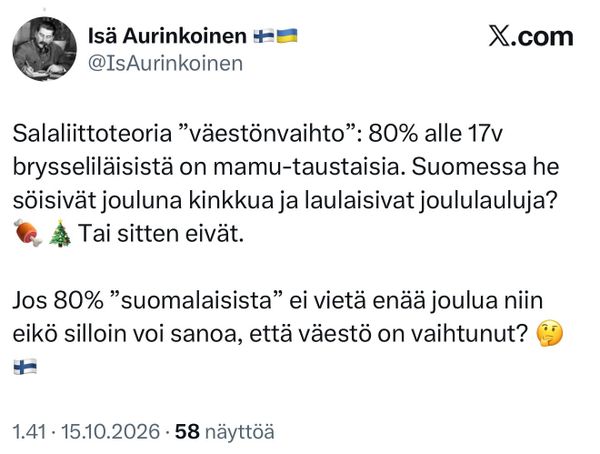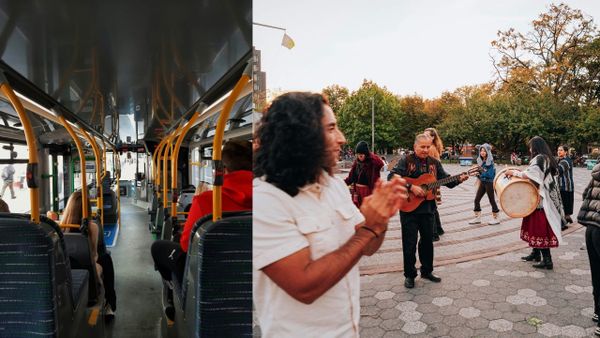
No country is perfect

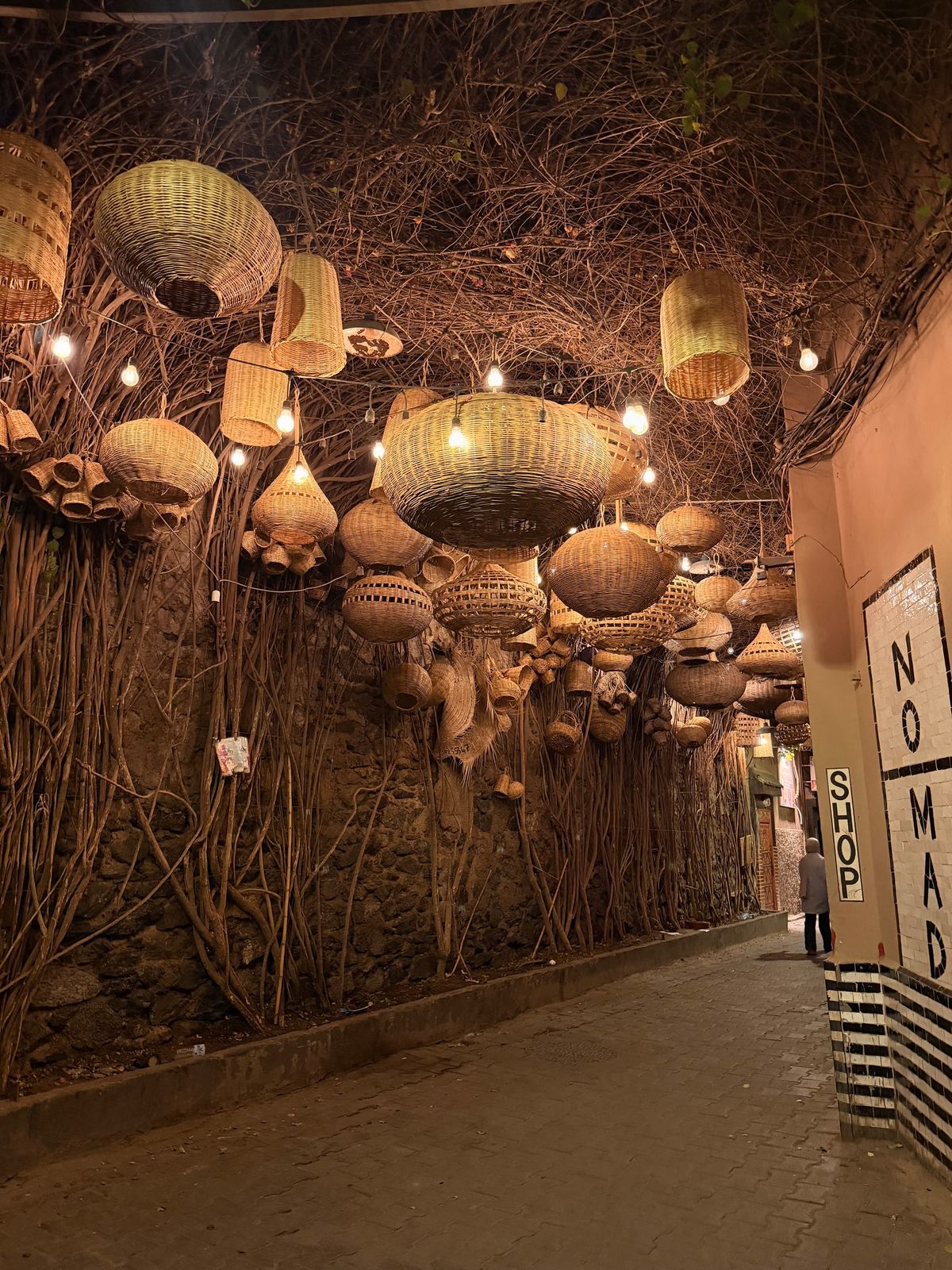
After returning home from a two-and-a-half-week trip, I feel especially grateful simply to have a roof over my head.
We first spent a day in Málaga, Spain, continued from there to Morocco for a couple of weeks, and finally spent three nights in Rome, Italy. This journey opened my eyes in a way that no previous trip ever has — both for better and for worse.
Travelling has a very concrete way of showing you both sides of the coin. When you travel, you quickly realise that the world is not as black and white or as simple as the media or politics can sometimes make it seem.
In every country, people tend to believe, in one way or another, that their way of doing things is the right one. In reality, no country gets everything right — but no country gets everything wrong, either.
To me, travelling is a good reminder that no country is inhabited by perfect little dollhouse people, and no culture can be reduced to a single story.
Morocco
When I share beautiful pictures of Morocco and say how much I love the country, that does not mean Morocco is without its problems.
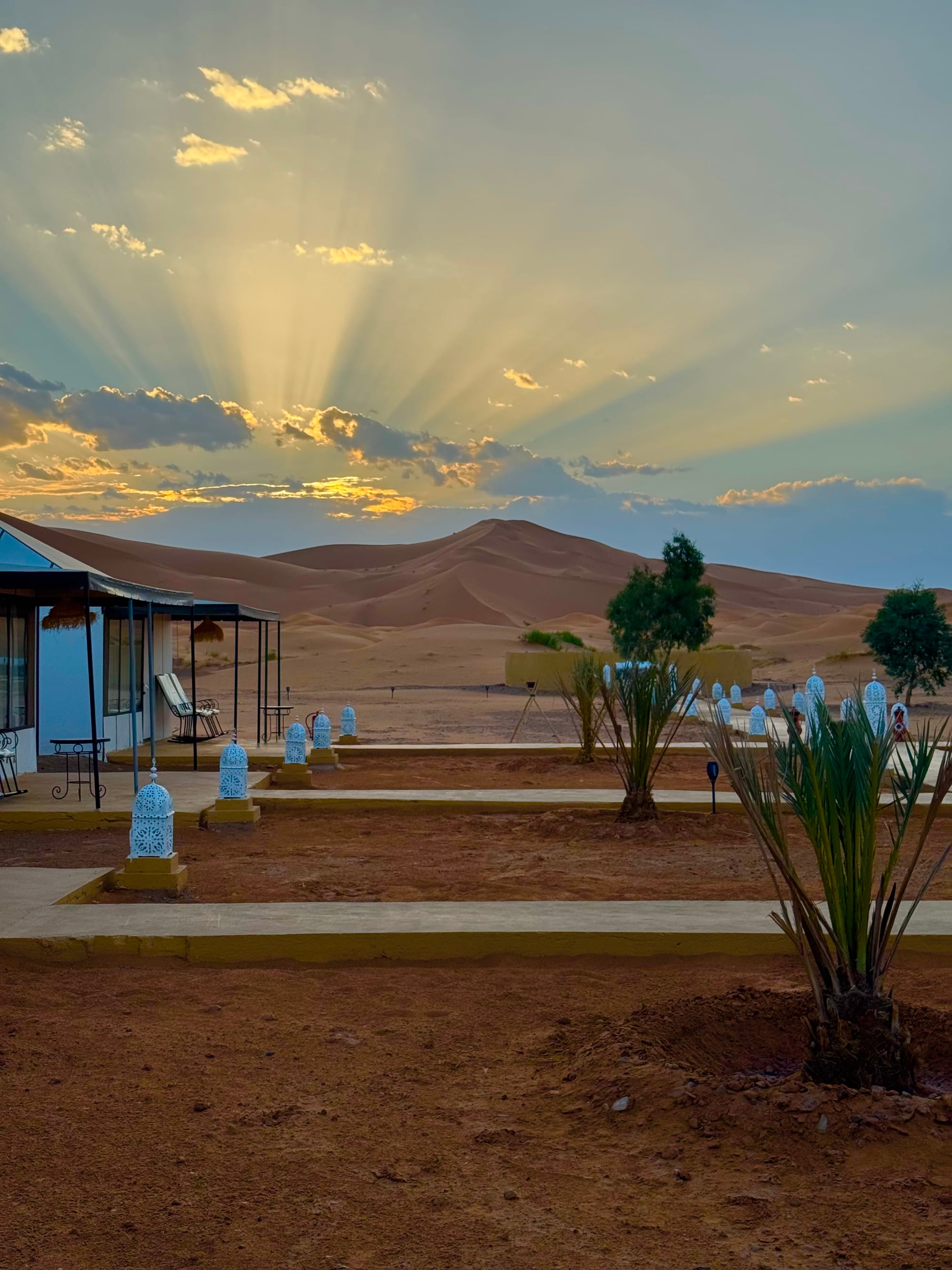
Wealth is distributed very unevenly, and major cities are in a very different position from many smaller communities. In places such as Merzouga, on the edge of the Sahara, daily life is affected not only by poverty but also by extremely harsh climatic conditions and water scarcity.
While Finland receives around 600–700 millimetres of rainfall annually, the Merzouga region may receive only around 50 millimetres in an entire year. Water scarcity has a significant impact on the daily lives of the Amazigh people living in the region.
Tourism is an extremely important source of income there. So if you ever travel to Morocco, I strongly recommend visiting Merzouga as well. Money spent by tourists can make a very different kind of difference in small communities than it does in major tourist destinations.
Morocco also has problems with corruption, although efforts have been made to combat it.
On our previous trip to Morocco, we had a somewhat unusual encounter with a police officer. We were travelling from Marrakech to Essaouira when a police patrol stopped us. The officers told us that we had been speeding and asked us to pay 300 Moroccan dirhams.
Because this was our first encounter with the police in Morocco, we had no reason to suspect anything unusual. We gave the officer the money. He walked away from our car for a moment, returned shortly afterwards, gave some of the money back to us and allowed us to continue our journey.
We later discussed what had happened with the person we had rented our car from. He found the situation unusual and told us that a proper written receipt should be issued for a fine.
I do, however, want to emphasise that this is the only experience we have had with the Moroccan police that has raised questions for us. During our trips to Morocco, we have seen and encountered a great number of police officers, and based on my own experiences, my overall impression of them has been that they are professional and trustworthy. Police are highly visible in Morocco, carrying out tasks such as speed enforcement and directing traffic.
Morocco’s stray cats and dogs
Morocco, like many other countries, has many cats and dogs living on the streets. Although animals living on the streets is obviously not an ideal situation, I was happy to see how many local people take care of them.
You can find bowls of food and water along the streets. Animals are adopted into people’s homes and guesthouses known as riads, and cardboard boxes are also left outside to provide them with shelter.
In Rabat, I saw a local woman walking around with bags of food, feeding cats living on the streets. She even knew them by name — or, more likely, had named them herself.
As a Finn, I found it comforting to see how much many local people care about these animals.
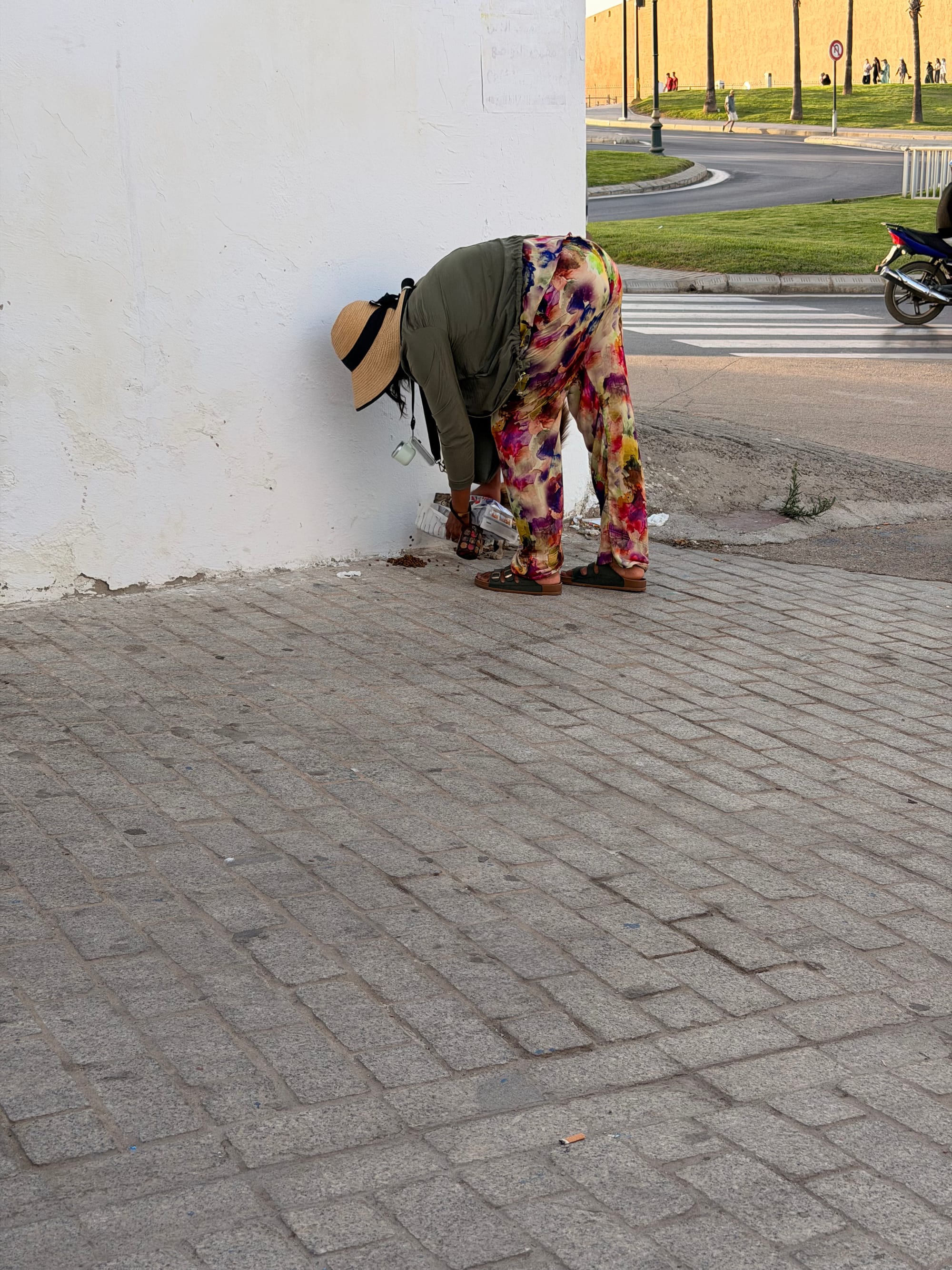
My attention in Morocco was also drawn to many smaller aspects of everyday life. The use of plastic bags has been heavily restricted since 2016, and reusable bags are common. Many services also continue to rely heavily on human labour. Public toilets, for example, often have an attendant cleaning them throughout the day, and visitors can leave the attendant a tip.
Small details like these reveal a great deal about the different ways societies organise everyday life.
Italy
Visiting Italy was an entirely new experience for me, as I had never been there before. My idea of the country was based mainly on the experiences of people I know and on what I had seen in films.
Rome’s history is incredibly impressive. An astonishing amount of its historical heritage has survived, and great care has been taken to preserve it.
Although Italy is a wealthy Western country and a member of the European Union, it has its own social problems too.
My first impression of the area around Roma Termini was the visibility of homelessness. I saw people sleeping on the streets. Some had tents, while others were sleeping completely out in the open.
Although I have travelled to many countries, I personally had not encountered homelessness this visible since visiting California in the United States.
This summer’s extreme heat made what I saw even more striking. When temperatures approach 40°C, people should have access to drinking water, food and shelter from the elements regardless of their financial circumstances. Fortunately, Rome provides free drinking water on the streets through its nasoni drinking fountains.
The latest comprehensive figure from Italy’s national statistics institute, Istat, dates from 2021. According to those figures, 96,197 registered individuals in Italy were without a permanent home. However, that number does not tell us how many people actually sleep on the streets or are completely without shelter.
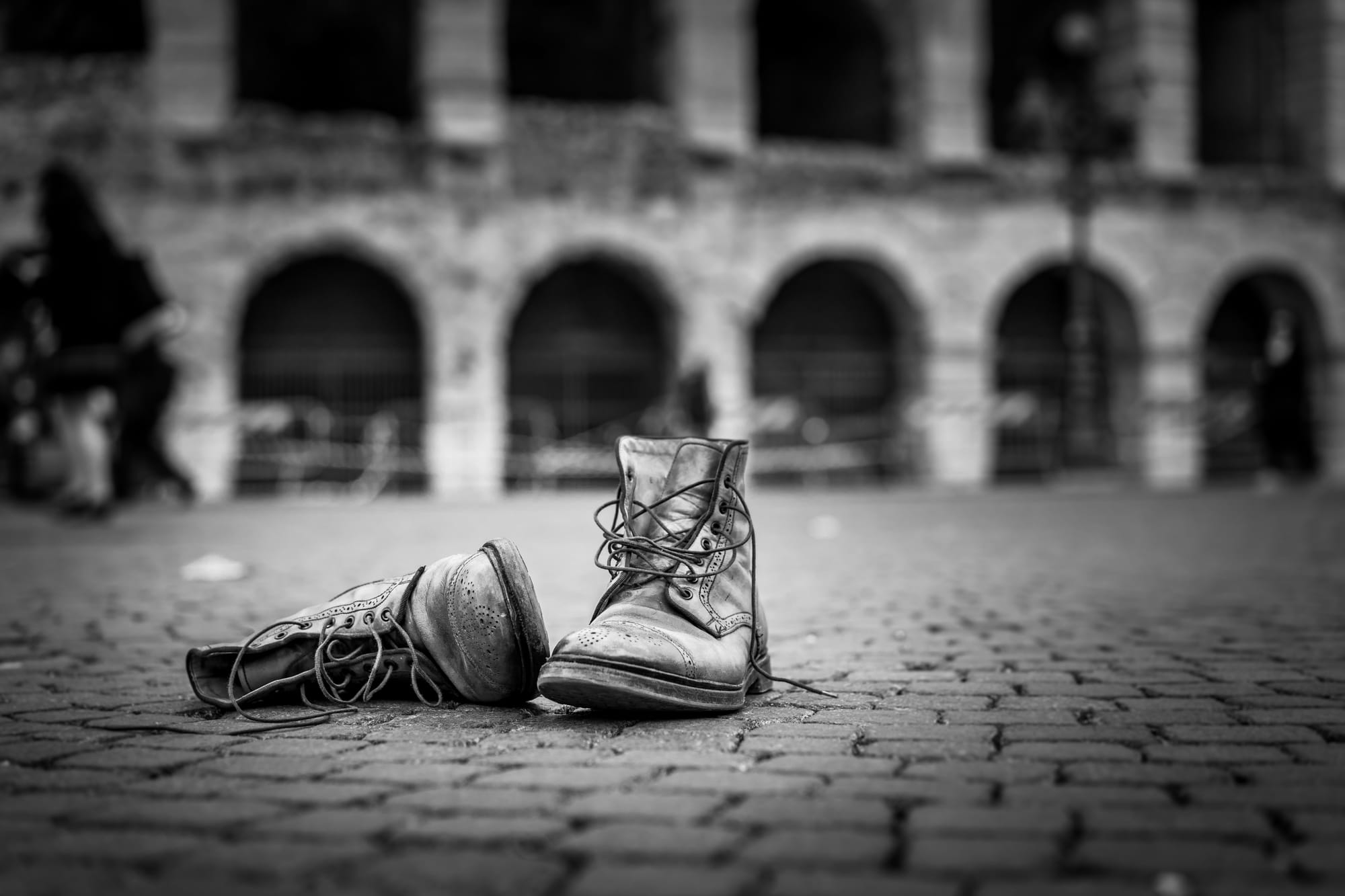
While travelling, I also read local news and came across a case in Bologna involving the death of a Moroccan man in connection with police use of force. The case sparked widespread discussion. Incidents like this are deeply tragic and remind us that problems involving excessive police force are not confined to one country or one part of the world.
Rome and the 37°C Heat
The 37°C heat in Rome felt considerably more oppressive to me than the same temperature in Morocco.
Many factors affect how we experience heat, including humidity, wind, direct sunlight and the temperature of the surfaces around us. Urban planning, however, can significantly influence how unbearable extreme heat becomes.
This was where Rome surprised me.
Many streets and squares were highly exposed to direct sunlight. In some places, there were relatively few trees, canopies or other structures providing shade considering the enormous number of people using these spaces.
Around the Colosseum, for example, tourists crowded into the few places where they could find shade. Even the drinking-water points were not protected from the sun, meaning people had to queue for tens of minutes in direct sunlight just to get water.
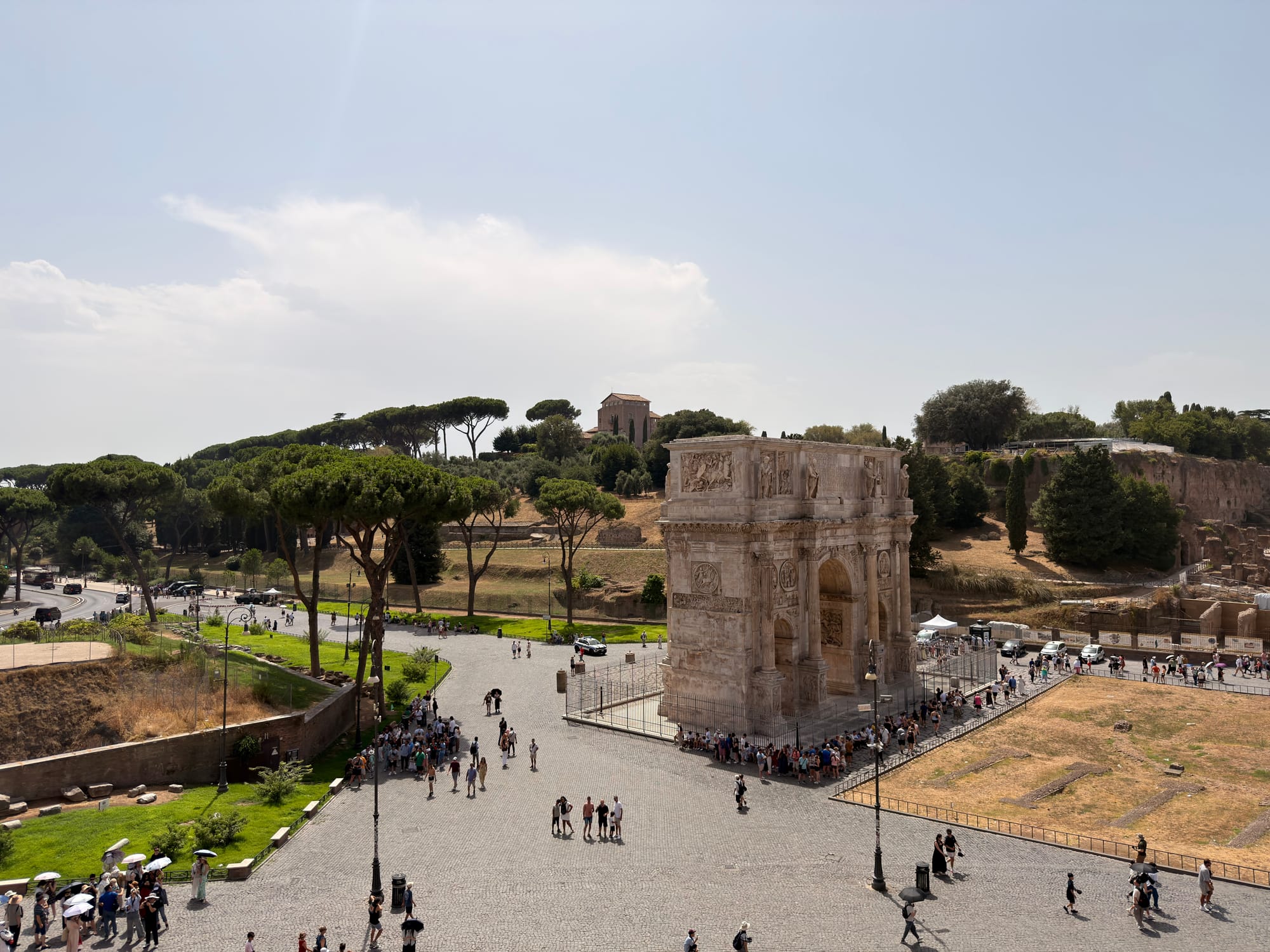
I have travelled in hot countries such as Iran, Spain and Morocco. In these places, I have seen many different ways of reducing people’s exposure to extreme heat: pale stone surfaces, trees, palm trees, other vegetation and various kinds of shade structures.
In Málaga, for example, large light-coloured canopies can be stretched between buildings above pedestrian streets to protect people from direct sunlight. In Saudi Arabia, enormous retractable umbrellas are used to protect people from the heat.
Similar solutions could be used more extensively around Rome’s most popular tourist areas.
I was also surprised by how difficult it could be to find public seating in Rome.
In extreme heat, being able to sit down in the shade for a moment is not simply a matter of comfort. It is particularly important for older people, children, people with limited mobility and anyone who is especially vulnerable to heat.
On our way back to the hotel after visiting the sights, I had to sit down on some steps along the street to drink water. The steps were made of stone and had been coated with some kind of pale paint.
While I was sitting there, feeling as though I was dying inside, a woman coming down from the top of the staircase slipped on the steps and crashed into me.
It was something of a reality check for both of us.
We asked if she was all right, and fortunately, she was soon back on her feet. Thankfully, nobody was seriously hurt.
It is easy to tell tourists: “Don’t come — it’s hot here.”
But what about the locals?
They still have to go to work and live their everyday lives regardless of the heat.
Italy is one of Europe’s most culturally and historically significant countries. It is known around the world for fashion, food, wine, olive oil, art and history. Rome’s historical environment is extraordinary.
That is precisely why the contrast with some of the city’s everyday problems felt so striking.
It is also understandable that some Italians have become critical of the enormous numbers of tourists. Mass tourism can drive up prices, overcrowd public transport and make ordinary life more difficult for local residents.
Italy also gave me some wonderful little surprises.
When I arrived at Ciampino Airport, I saw nuns from different religious orders in real life for the first time in my life. At Fiumicino Airport, meanwhile, there was a pianist playing live music.
They were small moments, but those are often exactly the kinds of moments you remember from travelling.
Both Sides of the Coin
I have used my experiences in Italy and Morocco as examples here, but the same idea applies to every country in the world.
China has technology that people elsewhere can only dream of, but China has its own problems too. The same applies to Finland, the United States, Iran, Thailand, Japan, Brazil and practically every other country in the world.
No country is perfect.
To me, one of the most important purposes of travelling is to broaden our view of the world. When you see with your own eyes how people live in different parts of the world, you begin to understand just how many different ways there are to organise a society and everyday life.
For us Finns, it may be completely normal to sleep in beds and eat at a dining table using a knife and fork. In another culture, it may be just as normal to sit together on the floor around a shared meal and eat with your hands.
Elsewhere, a home may look completely different from one in Finland. Family life, hospitality, food, work, clothing and public spaces can all be shaped by entirely different customs.
Most importantly, different does not automatically mean worse.
We cannot define one single correct way to live.
And of course, this does not mean that human rights violations, violence, discrimination or other social injustices should be excused as cultural differences. What I mean is that respecting different ways of life and recognising genuine problems are not mutually exclusive.
That is why I believe more strongly than ever that if you see only good in your own country or on your own side, while being unable to recognise anything good on the other side, your worldview has become too black and white.
And if you can see nothing but faults on the other side while failing to recognise the problems on your own, the same applies in reverse.
Travelling makes it much harder to maintain such a black-and-white view of the world.
When you sit at the same table talking with a Moroccan, see an Italian leaving for work in the morning, observe the everyday life of an Iranian family, or only begin to recognise both the strengths and weaknesses of Finnish society after returning home, countries and nationalities begin to give way to real human beings.
And perhaps that is the most valuable lesson travelling can teach us.
There are countless different ways to live a good life.
It is colonialist to assume that everyone else should become more like us simply because we are accustomed to our own way of living.
After travelling, I no longer think that things elsewhere should be more like they are in Finland.
Instead, I think we all have a lot to learn from one another.
Maybe that would make this world a better place for all of us.
— Sanni M.